
Blood pressure monitors
On this page, you will find information about blood pressure monitors
What is a blood pressure monitor?
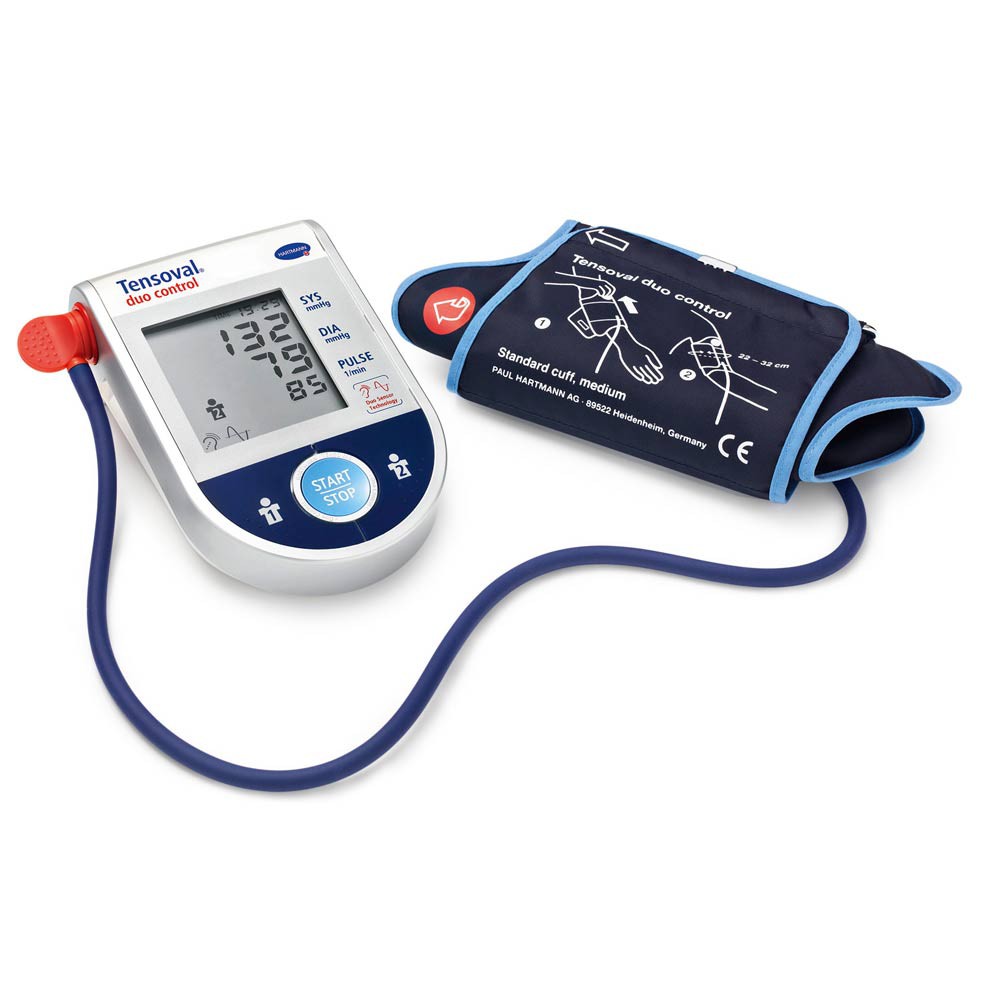
A blood pressure monitor is used to measure blood pressure. There are two different ways to measure blood pressure: direct and indirect. With the direct method, blood pressure is measured using a needle inserted into the bloodstream and special equipment. Direct blood pressure measurement is used only in operating rooms, intensive care units, and for specific medical questions or conditions.
The indirect method is the most commonly used examination method. It is performed using an inflatable cuff on the arm or leg and a stethoscope. Alternatively, newer devices use an automatic cuff to measure blood pressure, eliminating the need for a stethoscope.
In addition to measuring blood pressure on the arm and leg, it is also possible to measure it at the wrist. For this purpose, a suitable blood pressure monitor is attached to the wrist. The measurement is then also performed using a cuff.
Blood pressure - brief explanation
Blood pressure refers to the pressure in the body's arteries. Arteries are the blood vessels that carry blood away from the heart. They are also called arteries.
- Blood pressure is expressed in millimeters of mercury (mm Hg), although the SI unit for pressure is the pascal.
- Blood pressure is given using two values. For example: 120 over 80.
- The first value is the so-called systolic value. This is the value determined while the air is released from the cuff, namely the value from which blood can flow through the artery again.
- The second value is the so-called diastolic value and represents the resting pressure in the blood vessel, when blood flow is no longer restricted by the cuff. Both values are given together and are meaningful only in combination.
Blood pressure measurements make it possible to easily collect information about the heart and circulatory system without considerable effort.
Instructions for measuring blood pressure
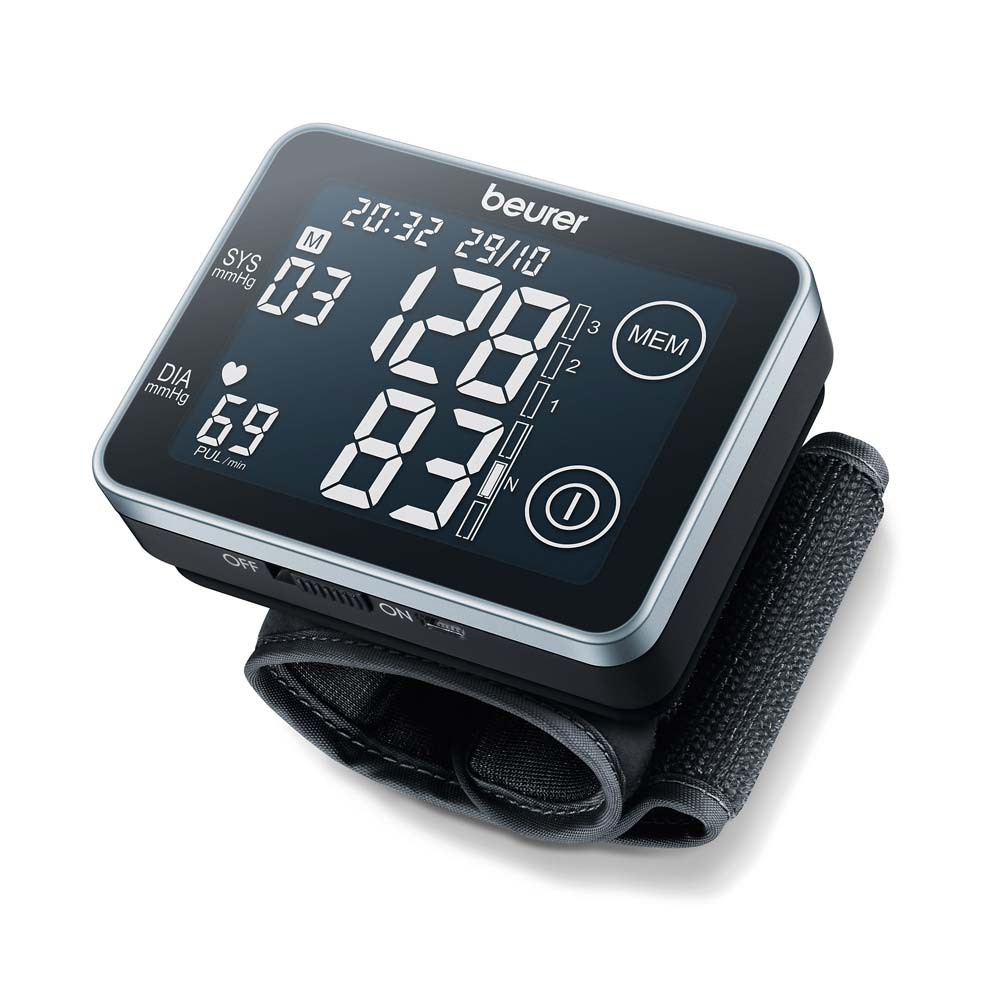
There are several things to consider when measuring blood pressure. It is very important to remember that blood pressure depends on activities, excitement, stress, and other factors. Therefore, you should take several measurements and allow at least one minute to pass between each measurement.
You should also measure your blood pressure after resting for approximately 5 minutes in a room that is as quiet as possible to avoid short-term excitement. You should also avoid speaking, laughing, or coughing during and before the measurement to prevent inaccurate results.
General information about self-monitoring
In general, you should seek advice when choosing your blood pressure monitor. If necessary, you should also ask your doctor or pharmacist about training to avoid making mistakes when measuring your blood pressure.
Of course, you will also find a carefully selected range of blood pressure monitors in our shop.


